Buy berufskrankheit.eu ?
We are moving the project
berufskrankheit.eu .
Are you interested in purchasing the domain
berufskrankheit.eu ?
domain@kv-gmbh.de · 0541-91531010
Buy berufskrankheit.eu ?
Is the term "Tut" Hessian?
No, the term "Tut" is not Hessian. "Tut" is actually an informal British English term used to express disapproval or annoyance. It is often used to indicate impatience or frustration with someone or something. The term has no direct connection to Hessian culture or language. **
What does the word "tut" mean?
The word "tut" is an informal expression used to show disapproval, annoyance, or impatience. It is often used to express mild frustration or disappointment in response to someone's actions or words. It can also be used to indicate disapproval or to urge someone to stop what they are doing. **

Similar search terms for Tut
Top-Angebote
Products related to Tut:
-
Iota Publishing Limited The Alkaline Detox Reset Cleanse: Eat to Beat Illness & Prevent Disease by Iota - Non Fiction Paperback - Alkaline Diet Recipes & Health GuideThe Alkaline Detox Reset Cleanse is a practical guide to eating the alkaline way, designed to help readers rebalance their body chemistry, support digestion, and boost overall wellbeing. This book provides clear nutritional guidance and is packed with recipes and snack ideas to make healthy eating easy to follow at home. The alkaline diet is presented as a straightforward, food-first approach to looking after both body and mind. By favouring alkaline-forming foods and reducing acid-forming ones, readers can help keep disease at bay, support steady energy levels, and give the digestive and immune systems the best chance to function properly. This book is a great resource for anyone looking to make a gentle reset or a longer-term shift towards healthier eating habits.2,99 £*Shipping: 2,99 £Secure redirect to the provider



-
What hurts after the "Tut Weh 2"?
After the "Tut Weh 2," the pain is usually felt in the muscles that were targeted during the workout, such as the legs, glutes, and core. Additionally, some people may experience soreness in their arms and shoulders if they were engaged in upper body exercises. The intensity of the pain can vary depending on individual fitness levels and the amount of effort exerted during the workout. It is common to feel soreness and discomfort in the targeted muscle groups for a day or two after the workout, but this should subside as the muscles recover and adapt to the exercise. **
-
Why do we say "tut" instead of "macht"?
We say "tut" instead of "macht" because "tut" is the correct conjugation of the verb "tun" in the third person singular form (er/sie/es tut) in German. "Macht" is the conjugation for the second person singular (du machst) or the third person plural (sie machen). Therefore, when referring to someone doing something in the third person singular, we use "tut" instead of "macht." **
-
What does "Was tut man nicht alles?" mean?
"Was tut man nicht alles?" is a German phrase that can be translated to "What doesn't one do?" or "What one wouldn't do?" It is often used to express surprise or disbelief at the lengths someone is willing to go to in order to achieve something. It can also be used to convey a sense of admiration or astonishment at the efforts or sacrifices someone is making. **
-
Why do we not say "tut" instead of "macht"?
The word "macht" is used in German instead of "tut" because "macht" specifically means "do" or "make" in English, while "tut" means "does" or "makes." Therefore, "macht" is the correct form to use when asking someone to do something in German. Additionally, "macht" is the imperative form of the verb "machen," which is commonly used in commands or requests. **


What do you understand by the statement "Dummheit tut weh"?
The statement "Dummheit tut weh" is a German phrase that translates to "stupidity hurts" in English. It conveys the idea that making foolish or unwise decisions can lead to negative consequences or pain. It emphasizes the importance of using one's intelligence and making informed choices to avoid unnecessary suffering. In essence, it serves as a reminder to think before acting and to avoid making foolish mistakes. **
What distinguishes the Workplace Ordinance from the Occupational Safety and Health Act?
The Workplace Ordinance primarily focuses on regulating the working conditions and environment within a workplace, including issues such as working hours, breaks, and holidays. On the other hand, the Occupational Safety and Health Act is more specific to ensuring the safety and health of workers while on the job, including regulations related to workplace hazards, training, and safety protocols. While both aim to protect workers, the Workplace Ordinance has a broader scope that encompasses various aspects of working conditions beyond just safety and health. **
Top-Angebote
Products related to Tut:
-
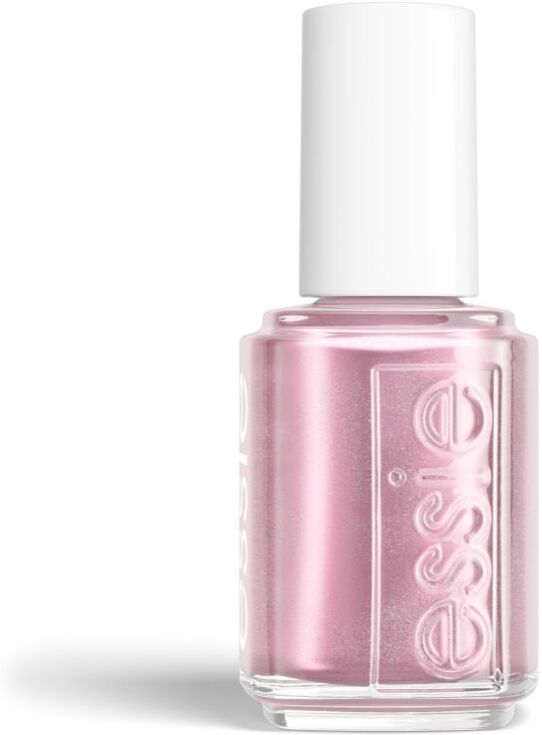
Essie nails nail polish shade 1020 Twisted Tut 13.5 mlessie nails, 13.5 ml, Nail Varnishes for Women, A gorgeous manicure as though you’d just left the nail salon? The essie nails nail polish lets you achieve it in the comfort of your own home. It coats the surface of the nail with a continuous layer of long-lasting, intense colour with a glossy finish, helping to give your nails a manicured, perfectly groomed look. You can use it to accentuate your nails or perhaps to enhance your outfit and style. So which colour will you choose to make your nails pop? Characteristics: bright, rich colour ensures a high gloss easy to apply long-lasting strengthens and firms the nails How to use: Apply the polish using a brush for polish-free, degreased nails. For best results, apply two layers.8,84 £*Shipping: 3,99 £Secure redirect to the provider
-
Faber This Book Will Change Your Mind About Mental Health – Nathan Filer Understanding Mental Illness, Stigma & Modern WellbeingInsightful, compassionate, and refreshingly honest, This Book Will Change Your Mind About Mental Health by Nathan Filer challenges the myths, fears, and misunderstandings that surround mental illness. Blending real-life stories, scientific research, and lived experience, Nathan Filer offers a clear and humane exploration of mental health conditions such as depression, anxiety, schizophrenia, and bipolar disorder. The book explains how mental illness is treated today, why stigma still exists, and how our attitudes can shape recovery and wellbeing. Written in an accessible, engaging style, this book is ideal for general readers, students, carers, and anyone wanting a better understanding of mental health. It encourages empathy, openness, and informed conversation—making complex topics easy to understand without oversimplifying them. Why Readers Recommend This Book: Written by bestselling author Nathan Filer Challenges common myths about mental illness Combines science, storytelling, and lived experience Promotes empathy, understanding, and awareness Ideal for readers new to mental health topics A powerful and enlightening read, This Book Will Change Your Mind About Mental Health is essential for anyone seeking a clearer, kinder understanding of mental wellbeing in today’s world.3,49 £*Shipping: 1,99 £Secure redirect to the provider
-
Iota Publishing Limited The Alkaline Detox Reset Cleanse: Eat to Beat Illness & Prevent Disease by Iota - Non Fiction Paperback - Alkaline Diet Recipes & Health GuideThe Alkaline Detox Reset Cleanse is a practical guide to eating the alkaline way, designed to help readers rebalance their body chemistry, support digestion, and boost overall wellbeing. This book provides clear nutritional guidance and is packed with recipes and snack ideas to make healthy eating easy to follow at home. The alkaline diet is presented as a straightforward, food-first approach to looking after both body and mind. By favouring alkaline-forming foods and reducing acid-forming ones, readers can help keep disease at bay, support steady energy levels, and give the digestive and immune systems the best chance to function properly. This book is a great resource for anyone looking to make a gentle reset or a longer-term shift towards healthier eating habits.2,99 £*Shipping: 2,99 £Secure redirect to the provider
-
Is the term "Tut" Hessian?
No, the term "Tut" is not Hessian. "Tut" is actually an informal British English term used to express disapproval or annoyance. It is often used to indicate impatience or frustration with someone or something. The term has no direct connection to Hessian culture or language. **
-
What does the word "tut" mean?
The word "tut" is an informal expression used to show disapproval, annoyance, or impatience. It is often used to express mild frustration or disappointment in response to someone's actions or words. It can also be used to indicate disapproval or to urge someone to stop what they are doing. **
-
What hurts after the "Tut Weh 2"?
After the "Tut Weh 2," the pain is usually felt in the muscles that were targeted during the workout, such as the legs, glutes, and core. Additionally, some people may experience soreness in their arms and shoulders if they were engaged in upper body exercises. The intensity of the pain can vary depending on individual fitness levels and the amount of effort exerted during the workout. It is common to feel soreness and discomfort in the targeted muscle groups for a day or two after the workout, but this should subside as the muscles recover and adapt to the exercise. **
-
Why do we say "tut" instead of "macht"?
We say "tut" instead of "macht" because "tut" is the correct conjugation of the verb "tun" in the third person singular form (er/sie/es tut) in German. "Macht" is the conjugation for the second person singular (du machst) or the third person plural (sie machen). Therefore, when referring to someone doing something in the third person singular, we use "tut" instead of "macht." **
Similar search terms for Tut
-
What does "Was tut man nicht alles?" mean?
"Was tut man nicht alles?" is a German phrase that can be translated to "What doesn't one do?" or "What one wouldn't do?" It is often used to express surprise or disbelief at the lengths someone is willing to go to in order to achieve something. It can also be used to convey a sense of admiration or astonishment at the efforts or sacrifices someone is making. **
-
Why do we not say "tut" instead of "macht"?
The word "macht" is used in German instead of "tut" because "macht" specifically means "do" or "make" in English, while "tut" means "does" or "makes." Therefore, "macht" is the correct form to use when asking someone to do something in German. Additionally, "macht" is the imperative form of the verb "machen," which is commonly used in commands or requests. **
-
What do you understand by the statement "Dummheit tut weh"?
The statement "Dummheit tut weh" is a German phrase that translates to "stupidity hurts" in English. It conveys the idea that making foolish or unwise decisions can lead to negative consequences or pain. It emphasizes the importance of using one's intelligence and making informed choices to avoid unnecessary suffering. In essence, it serves as a reminder to think before acting and to avoid making foolish mistakes. **
-
What distinguishes the Workplace Ordinance from the Occupational Safety and Health Act?
The Workplace Ordinance primarily focuses on regulating the working conditions and environment within a workplace, including issues such as working hours, breaks, and holidays. On the other hand, the Occupational Safety and Health Act is more specific to ensuring the safety and health of workers while on the job, including regulations related to workplace hazards, training, and safety protocols. While both aim to protect workers, the Workplace Ordinance has a broader scope that encompasses various aspects of working conditions beyond just safety and health. **
* All prices are inclusive of VAT and, if applicable, plus shipping costs. The offer information is based on the details provided by the respective shop and is updated through automated processes. Real-time updates do not occur, so deviations can occur in individual cases. ** Note: Parts of this content were created by AI.