Buy berufskrankheit.eu ?
We are moving the project
berufskrankheit.eu .
Are you interested in purchasing the domain
berufskrankheit.eu ?
domain@kv-gmbh.de · 0541-91531010
Buy berufskrankheit.eu ?
What is shyness in the workplace?
Shyness in the workplace refers to a feeling of discomfort or anxiety in social or professional situations. It can manifest as a reluctance to speak up in meetings, difficulty initiating conversations with colleagues, or a fear of networking and promoting oneself. Shyness can impact an individual's ability to collaborate, share ideas, and take on leadership roles, ultimately affecting their professional growth and success. Employers can support shy employees by creating inclusive environments, providing opportunities for skill-building, and offering mentorship and support. **
Is there shyness?
Yes, shyness is a common human trait characterized by feelings of discomfort or anxiety in social situations. It can manifest as a reluctance to engage in conversation, avoidance of eye contact, or difficulty speaking in front of others. Shyness can vary in intensity from mild to severe and can impact an individual's ability to form relationships and participate in social activities. However, with support and practice, many people are able to overcome shyness and become more comfortable in social settings. **

Similar search terms for Shyness
Top-Angebote
Products related to Shyness:
-
Iota Publishing Limited The Alkaline Detox Reset Cleanse: Eat to Beat Illness & Prevent Disease by Iota - Non Fiction Paperback - Alkaline Diet Recipes & Health GuideThe Alkaline Detox Reset Cleanse is a practical guide to eating the alkaline way, designed to help readers rebalance their body chemistry, support digestion, and boost overall wellbeing. This book provides clear nutritional guidance and is packed with recipes and snack ideas to make healthy eating easy to follow at home. The alkaline diet is presented as a straightforward, food-first approach to looking after both body and mind. By favouring alkaline-forming foods and reducing acid-forming ones, readers can help keep disease at bay, support steady energy levels, and give the digestive and immune systems the best chance to function properly. This book is a great resource for anyone looking to make a gentle reset or a longer-term shift towards healthier eating habits.2,99 £*Shipping: 2,99 £Secure redirect to the provider




-
What hinders my shyness if I really want to become an occupational therapist?
If you really want to become an occupational therapist but are hindered by shyness, there are several strategies you can use to overcome this obstacle. One approach could be to gradually expose yourself to social situations by volunteering or shadowing occupational therapists to gain experience and confidence. Additionally, seeking support from a mentor or counselor to work on building self-esteem and communication skills can be beneficial. Remember that being shy does not define your ability to succeed in your chosen career path, and with determination and practice, you can develop the necessary skills to excel as an occupational therapist. **
-
Can shyness completely disappear?
Shyness is a common personality trait that can vary in intensity and may improve over time with practice and increased self-confidence. While it may not completely disappear for everyone, individuals can learn coping strategies and develop social skills to help manage their shyness. By gradually exposing oneself to social situations and seeking support from friends, family, or a therapist, it is possible to reduce the impact of shyness and feel more comfortable in social settings. **
-
What is severe shyness?
Severe shyness, also known as social anxiety disorder, is a mental health condition characterized by an intense fear of social situations and interactions. People with severe shyness may experience physical symptoms such as sweating, trembling, and rapid heartbeat when faced with social situations. This condition can significantly impact a person's daily life, relationships, and overall well-being, leading to avoidance of social activities and isolation. Treatment options for severe shyness may include therapy, medication, and lifestyle changes to help individuals manage their symptoms and improve their quality of life. **
-
How to overcome shyness?
To overcome shyness, it's important to practice self-compassion and remind yourself that it's okay to feel nervous in social situations. Gradually exposing yourself to social interactions and pushing yourself out of your comfort zone can help build confidence. Setting small, achievable goals for yourself, such as initiating a conversation with a stranger or joining a club, can also help in overcoming shyness. Additionally, seeking support from friends, family, or a therapist can provide guidance and encouragement as you work on becoming more comfortable in social settings. **


Is shyness still normal?
Yes, shyness is still considered a normal personality trait. Many people experience shyness in certain situations, and it is a common response to feeling nervous or self-conscious. It is important to remember that shyness is a natural part of human behavior and does not necessarily indicate a problem. It is only when shyness significantly interferes with a person's daily life and relationships that it may be worth seeking support or guidance. **
What is strong shyness?
Strong shyness refers to a level of social anxiety that significantly impacts an individual's ability to interact with others. People who experience strong shyness may feel intense fear or discomfort in social situations, leading them to avoid social interactions altogether. This can result in feelings of isolation, low self-esteem, and difficulty forming relationships. Strong shyness may also manifest physically through symptoms like blushing, sweating, or trembling in social settings. **
Top-Angebote
Products related to Shyness:
-
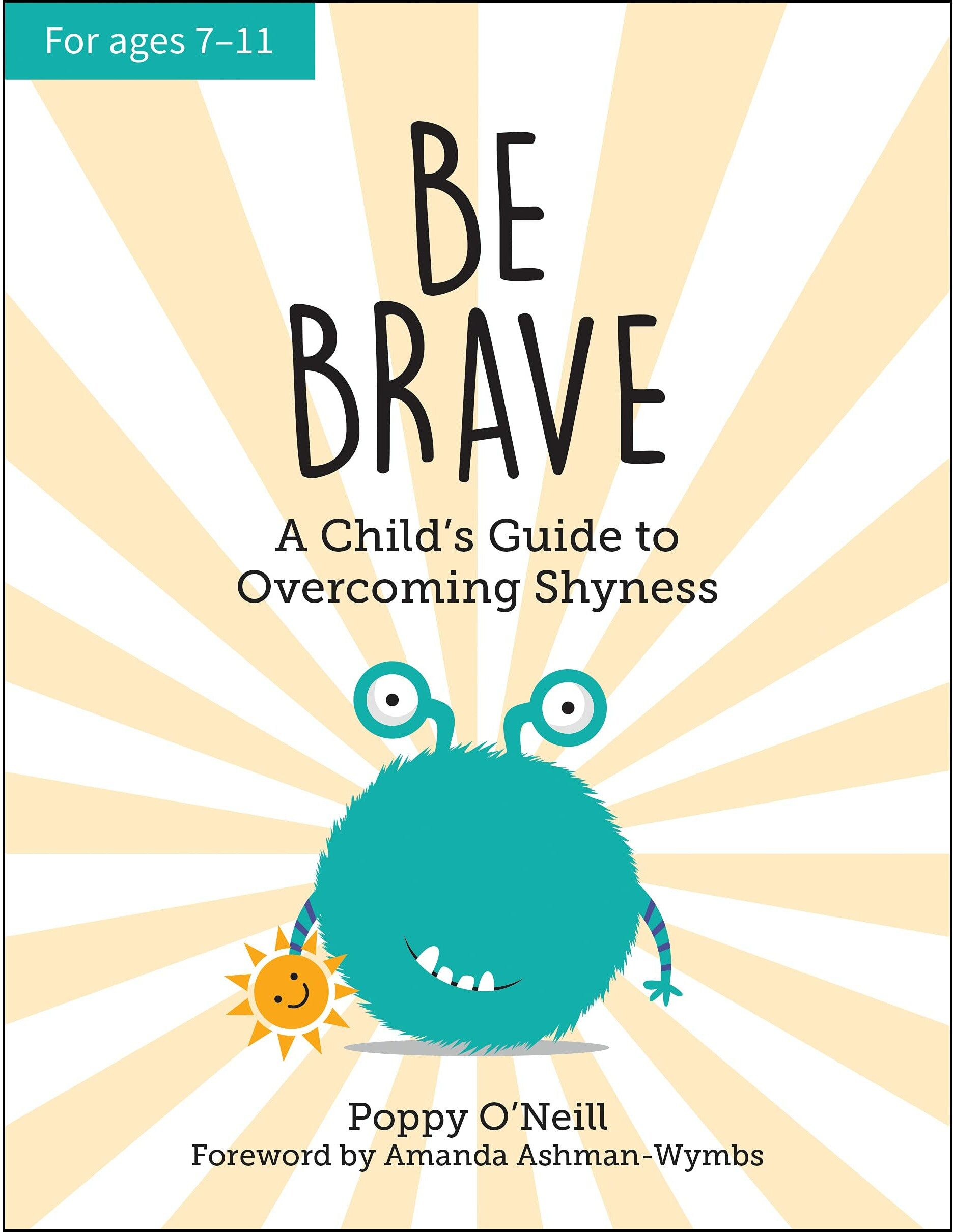
Vie Be Brave: A Childs Guide to Overcoming Shyness by Poppy O NeillAn interactive workbook for parents and children from the author of the best-selling titles Don’t Worry, Be Happy: A Child’s Guide to Overcoming Anxiety and You’re a Star: A Child’s Guide to Self-Esteem Does your child appear nervous and isolated in social settings? Perhaps they find it difficult to approach other children or make friends? Do they seem to avoid engaging in hobbies and activities? These could all be signs that your child is struggling with shyness. This practical guide combines cognitive behavioural therapy and mindfulness methods with simple activities to help your child overcome shyness. It’s aimed at children aged 7–11 because a lot happens in these years that can impact a child’s confidence, not just now but for years to come. Your child will be guided, with the help of Jem – a friendly and supportive character they can identify with – through fun and engaging activities which are interspersed with useful tips, inspirational statements and practical information for parents.4,49 £*Shipping: 1,99 £Secure redirect to the provider
-
Faber This Book Will Change Your Mind About Mental Health – Nathan Filer Understanding Mental Illness, Stigma & Modern WellbeingInsightful, compassionate, and refreshingly honest, This Book Will Change Your Mind About Mental Health by Nathan Filer challenges the myths, fears, and misunderstandings that surround mental illness. Blending real-life stories, scientific research, and lived experience, Nathan Filer offers a clear and humane exploration of mental health conditions such as depression, anxiety, schizophrenia, and bipolar disorder. The book explains how mental illness is treated today, why stigma still exists, and how our attitudes can shape recovery and wellbeing. Written in an accessible, engaging style, this book is ideal for general readers, students, carers, and anyone wanting a better understanding of mental health. It encourages empathy, openness, and informed conversation—making complex topics easy to understand without oversimplifying them. Why Readers Recommend This Book: Written by bestselling author Nathan Filer Challenges common myths about mental illness Combines science, storytelling, and lived experience Promotes empathy, understanding, and awareness Ideal for readers new to mental health topics A powerful and enlightening read, This Book Will Change Your Mind About Mental Health is essential for anyone seeking a clearer, kinder understanding of mental wellbeing in today’s world.3,49 £*Shipping: 1,99 £Secure redirect to the provider
-
Iota Publishing Limited The Alkaline Detox Reset Cleanse: Eat to Beat Illness & Prevent Disease by Iota - Non Fiction Paperback - Alkaline Diet Recipes & Health GuideThe Alkaline Detox Reset Cleanse is a practical guide to eating the alkaline way, designed to help readers rebalance their body chemistry, support digestion, and boost overall wellbeing. This book provides clear nutritional guidance and is packed with recipes and snack ideas to make healthy eating easy to follow at home. The alkaline diet is presented as a straightforward, food-first approach to looking after both body and mind. By favouring alkaline-forming foods and reducing acid-forming ones, readers can help keep disease at bay, support steady energy levels, and give the digestive and immune systems the best chance to function properly. This book is a great resource for anyone looking to make a gentle reset or a longer-term shift towards healthier eating habits.2,99 £*Shipping: 2,99 £Secure redirect to the provider
-
What is shyness in the workplace?
Shyness in the workplace refers to a feeling of discomfort or anxiety in social or professional situations. It can manifest as a reluctance to speak up in meetings, difficulty initiating conversations with colleagues, or a fear of networking and promoting oneself. Shyness can impact an individual's ability to collaborate, share ideas, and take on leadership roles, ultimately affecting their professional growth and success. Employers can support shy employees by creating inclusive environments, providing opportunities for skill-building, and offering mentorship and support. **
-
Is there shyness?
Yes, shyness is a common human trait characterized by feelings of discomfort or anxiety in social situations. It can manifest as a reluctance to engage in conversation, avoidance of eye contact, or difficulty speaking in front of others. Shyness can vary in intensity from mild to severe and can impact an individual's ability to form relationships and participate in social activities. However, with support and practice, many people are able to overcome shyness and become more comfortable in social settings. **
-
What hinders my shyness if I really want to become an occupational therapist?
If you really want to become an occupational therapist but are hindered by shyness, there are several strategies you can use to overcome this obstacle. One approach could be to gradually expose yourself to social situations by volunteering or shadowing occupational therapists to gain experience and confidence. Additionally, seeking support from a mentor or counselor to work on building self-esteem and communication skills can be beneficial. Remember that being shy does not define your ability to succeed in your chosen career path, and with determination and practice, you can develop the necessary skills to excel as an occupational therapist. **
-
Can shyness completely disappear?
Shyness is a common personality trait that can vary in intensity and may improve over time with practice and increased self-confidence. While it may not completely disappear for everyone, individuals can learn coping strategies and develop social skills to help manage their shyness. By gradually exposing oneself to social situations and seeking support from friends, family, or a therapist, it is possible to reduce the impact of shyness and feel more comfortable in social settings. **
Similar search terms for Shyness
-
What is severe shyness?
Severe shyness, also known as social anxiety disorder, is a mental health condition characterized by an intense fear of social situations and interactions. People with severe shyness may experience physical symptoms such as sweating, trembling, and rapid heartbeat when faced with social situations. This condition can significantly impact a person's daily life, relationships, and overall well-being, leading to avoidance of social activities and isolation. Treatment options for severe shyness may include therapy, medication, and lifestyle changes to help individuals manage their symptoms and improve their quality of life. **
-
How to overcome shyness?
To overcome shyness, it's important to practice self-compassion and remind yourself that it's okay to feel nervous in social situations. Gradually exposing yourself to social interactions and pushing yourself out of your comfort zone can help build confidence. Setting small, achievable goals for yourself, such as initiating a conversation with a stranger or joining a club, can also help in overcoming shyness. Additionally, seeking support from friends, family, or a therapist can provide guidance and encouragement as you work on becoming more comfortable in social settings. **
-
Is shyness still normal?
Yes, shyness is still considered a normal personality trait. Many people experience shyness in certain situations, and it is a common response to feeling nervous or self-conscious. It is important to remember that shyness is a natural part of human behavior and does not necessarily indicate a problem. It is only when shyness significantly interferes with a person's daily life and relationships that it may be worth seeking support or guidance. **
-
What is strong shyness?
Strong shyness refers to a level of social anxiety that significantly impacts an individual's ability to interact with others. People who experience strong shyness may feel intense fear or discomfort in social situations, leading them to avoid social interactions altogether. This can result in feelings of isolation, low self-esteem, and difficulty forming relationships. Strong shyness may also manifest physically through symptoms like blushing, sweating, or trembling in social settings. **
* All prices are inclusive of VAT and, if applicable, plus shipping costs. The offer information is based on the details provided by the respective shop and is updated through automated processes. Real-time updates do not occur, so deviations can occur in individual cases. ** Note: Parts of this content were created by AI.