Buy berufskrankheit.eu ?
We are moving the project
berufskrankheit.eu .
Are you interested in purchasing the domain
berufskrankheit.eu ?
domain@kv-gmbh.de · 0541-91531010
Buy berufskrankheit.eu ?
Holy Roman Emperor
The title of Holy Roman Emperor was a title given to the ruler of the Holy Roman Empire, a political entity in Central Europe that existed from 962 to 1806. The Holy Roman Emperor was considered the secular ruler of the Christian world, with authority over a vast territory that included parts of modern-day Germany, Italy, and France. The position was elected by a group of powerful princes and bishops known as the Electoral College. The title of Holy Roman Emperor was eventually abolished in 1806 following the defeat of the Empire by Napoleon Bonaparte. **
'Roman-German Emperors'
The Roman-German Emperors were a series of Holy Roman Emperors who ruled over the Holy Roman Empire from the Middle Ages to the early modern period. They were considered the successors to the ancient Roman Emperors and sought to establish their authority over the territories of the former Western Roman Empire. The title of Roman-German Emperor was meant to signify their dual role as rulers of both the Roman and Germanic peoples. The most famous Roman-German Emperor was Charlemagne, who was crowned Emperor of the Romans by Pope Leo III in 800 AD. The title continued to be used by subsequent Holy Roman Emperors until the dissolution of the Holy Roman Empire in 1806. **

Similar search terms for Roman
Top-Angebote
Products related to Roman:
-
Equisalud Holofit Roman Chamomile CapsulesNutrition and Supplements Natural Extracts Equisalud Holofit Roman Chamomile Capsules Phytotherapy in Capsules Formulations based on plant extracts. - The capsules are made with pullulan, an innovative plant polysaccharide, soluble in water, obtained through the fermentation of starch using a 100% natural process without the use of chemicals. - They do not contain gluten, starch, MSG or dyes and aresuitable for vegetarians, diabetics and people with restrictive diets.14,22 £*Shipping: 3,99 £Secure redirect to the provider
-
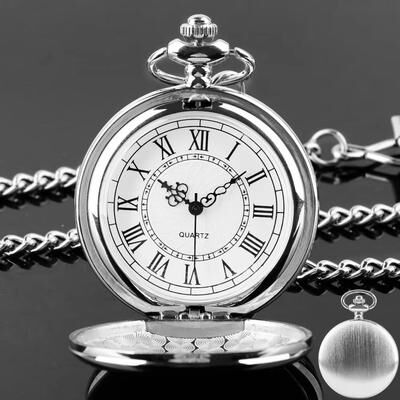
Inspired Finds Classic Silver Roman Numeral Pocket Watch Necklace Classic Silver Roman Numeral Pocket Watch NecklaceTimeless style meets modern fashion in this elegant pocket watch necklace. Designed with a polished silver finish and traditional Roman numeral dial, this piece blends vintage charm with contemporary versatility. The compact watch hangs from a sleek...34,99 $*Shipping: 0,00 $Secure redirect to the provider
-
Faber This Book Will Change Your Mind About Mental Health – Nathan Filer Understanding Mental Illness, Stigma & Modern WellbeingInsightful, compassionate, and refreshingly honest, This Book Will Change Your Mind About Mental Health by Nathan Filer challenges the myths, fears, and misunderstandings that surround mental illness. Blending real-life stories, scientific research, and lived experience, Nathan Filer offers a clear and humane exploration of mental health conditions such as depression, anxiety, schizophrenia, and bipolar disorder. The book explains how mental illness is treated today, why stigma still exists, and how our attitudes can shape recovery and wellbeing. Written in an accessible, engaging style, this book is ideal for general readers, students, carers, and anyone wanting a better understanding of mental health. It encourages empathy, openness, and informed conversation—making complex topics easy to understand without oversimplifying them. Why Readers Recommend This Book: Written by bestselling author Nathan Filer Challenges common myths about mental illness Combines science, storytelling, and lived experience Promotes empathy, understanding, and awareness Ideal for readers new to mental health topics A powerful and enlightening read, This Book Will Change Your Mind About Mental Health is essential for anyone seeking a clearer, kinder understanding of mental wellbeing in today’s world.3,49 £*Shipping: 1,99 £Secure redirect to the provider



-
"Roman-German Emperors"
The term "Roman-German Emperors" refers to the Holy Roman Emperors, who were rulers of a political entity in Central Europe that existed from 962 to 1806. The title of Holy Roman Emperor was created in the 10th century by Otto I, King of Germany, and it symbolized the revival of the Roman Empire in the West. The Holy Roman Emperors were considered the successors of the ancient Roman Emperors and were elected by a group of German princes. The empire was a complex political entity that encompassed parts of modern-day Germany, Italy, and other European territories. **
-
Roman-German Emperors
The term "Roman-German Emperors" refers to the Holy Roman Emperors, who were rulers of the Holy Roman Empire from the Middle Ages until its dissolution in 1806. The title of Holy Roman Emperor was created in the 10th century and was held by various monarchs who claimed to be the successors of the ancient Roman emperors. The Holy Roman Emperors were elected by a group of German princes and were considered the highest secular authority in the Holy Roman Empire, which was a complex political entity that encompassed parts of modern-day Germany, Italy, and other European countries. **
-
Roman-German emperors
The term "Roman-German emperors" refers to the Holy Roman Emperors, who were rulers of the Holy Roman Empire from the Middle Ages to the early 19th century. These emperors were considered the successors to the rulers of the ancient Roman Empire and were elected by a group of German princes. The Holy Roman Emperors held significant political and religious power in Central Europe, although their authority was often challenged by regional rulers and the papacy. The title of Holy Roman Emperor was officially abolished in 1806 following the dissolution of the Holy Roman Empire. **
-
Holy Roman Emperors
The Holy Roman Emperors were rulers of the Holy Roman Empire, a complex political entity in central Europe that existed from 800 to 1806. They were elected by a group of powerful princes and bishops known as the Electoral College. The title of Holy Roman Emperor was considered to be the highest temporal authority in Europe, although the actual power of the emperors varied greatly throughout the history of the empire. Some of the most famous Holy Roman Emperors include Charlemagne, Otto the Great, and Charles V. **

What distinguishes the Workplace Ordinance from the Occupational Safety and Health Act?
The Workplace Ordinance primarily focuses on regulating the working conditions and environment within a workplace, including issues such as working hours, breaks, and holidays. On the other hand, the Occupational Safety and Health Act is more specific to ensuring the safety and health of workers while on the job, including regulations related to workplace hazards, training, and safety protocols. While both aim to protect workers, the Workplace Ordinance has a broader scope that encompasses various aspects of working conditions beyond just safety and health. **
Was the Holy Roman Empire truly a Holy Roman Empire?
The term "Holy Roman Empire" was used to describe the multi-ethnic complex of territories in Central Europe ruled by the Roman Catholic Church and the Germanic Holy Roman Emperor. However, the empire was not truly holy in the sense of being divinely ordained, as its power was often based on political and military strength rather than religious authority. Additionally, the empire was not truly Roman, as it did not have its origins in the ancient Roman Empire but rather in the medieval Kingdom of Germany. Overall, the Holy Roman Empire was a complex political entity that combined elements of religion, politics, and culture, but it did not fully embody the ideals of holiness or Roman heritage. **
Top-Angebote
Products related to Roman:
-
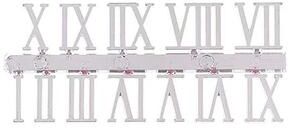
Uplift Treasures Roman Numeral Clock Repair Parts Set black Roman NumeralsProduct Description Restore or customize your clock with this Roman numeral clock repair parts set. Designed for DIY projects and clock repairs, it includes classic numeral accessories compatible with quartz clock mechanisms. Ideal for refurbishing...23,97 $*Shipping: 0,00 $Secure redirect to the provider
-
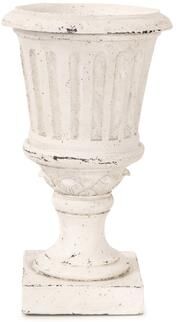
Allan Andrews Roman Classic UrnAdd classical charm to your decor with this distressed white architectural column urn. Perfect for bookshelves, consoles, or tabletop styling. The ancient ruin-inspired design brings a touch of old-world magic to any space.114,00 $*Shipping: 0,00 $Secure redirect to the provider
-
Equisalud Holofit Roman Chamomile CapsulesNutrition and Supplements Natural Extracts Equisalud Holofit Roman Chamomile Capsules Phytotherapy in Capsules Formulations based on plant extracts. - The capsules are made with pullulan, an innovative plant polysaccharide, soluble in water, obtained through the fermentation of starch using a 100% natural process without the use of chemicals. - They do not contain gluten, starch, MSG or dyes and aresuitable for vegetarians, diabetics and people with restrictive diets.14,22 £*Shipping: 3,99 £Secure redirect to the provider
-
Inspired Finds Classic Silver Roman Numeral Pocket Watch Necklace Classic Silver Roman Numeral Pocket Watch NecklaceTimeless style meets modern fashion in this elegant pocket watch necklace. Designed with a polished silver finish and traditional Roman numeral dial, this piece blends vintage charm with contemporary versatility. The compact watch hangs from a sleek...34,99 $*Shipping: 0,00 $Secure redirect to the provider
-
Holy Roman Emperor
The title of Holy Roman Emperor was a title given to the ruler of the Holy Roman Empire, a political entity in Central Europe that existed from 962 to 1806. The Holy Roman Emperor was considered the secular ruler of the Christian world, with authority over a vast territory that included parts of modern-day Germany, Italy, and France. The position was elected by a group of powerful princes and bishops known as the Electoral College. The title of Holy Roman Emperor was eventually abolished in 1806 following the defeat of the Empire by Napoleon Bonaparte. **
-
'Roman-German Emperors'
The Roman-German Emperors were a series of Holy Roman Emperors who ruled over the Holy Roman Empire from the Middle Ages to the early modern period. They were considered the successors to the ancient Roman Emperors and sought to establish their authority over the territories of the former Western Roman Empire. The title of Roman-German Emperor was meant to signify their dual role as rulers of both the Roman and Germanic peoples. The most famous Roman-German Emperor was Charlemagne, who was crowned Emperor of the Romans by Pope Leo III in 800 AD. The title continued to be used by subsequent Holy Roman Emperors until the dissolution of the Holy Roman Empire in 1806. **
-
"Roman-German Emperors"
The term "Roman-German Emperors" refers to the Holy Roman Emperors, who were rulers of a political entity in Central Europe that existed from 962 to 1806. The title of Holy Roman Emperor was created in the 10th century by Otto I, King of Germany, and it symbolized the revival of the Roman Empire in the West. The Holy Roman Emperors were considered the successors of the ancient Roman Emperors and were elected by a group of German princes. The empire was a complex political entity that encompassed parts of modern-day Germany, Italy, and other European territories. **
-
Roman-German Emperors
The term "Roman-German Emperors" refers to the Holy Roman Emperors, who were rulers of the Holy Roman Empire from the Middle Ages until its dissolution in 1806. The title of Holy Roman Emperor was created in the 10th century and was held by various monarchs who claimed to be the successors of the ancient Roman emperors. The Holy Roman Emperors were elected by a group of German princes and were considered the highest secular authority in the Holy Roman Empire, which was a complex political entity that encompassed parts of modern-day Germany, Italy, and other European countries. **
Similar search terms for Roman
-
Faber This Book Will Change Your Mind About Mental Health – Nathan Filer Understanding Mental Illness, Stigma & Modern WellbeingInsightful, compassionate, and refreshingly honest, This Book Will Change Your Mind About Mental Health by Nathan Filer challenges the myths, fears, and misunderstandings that surround mental illness. Blending real-life stories, scientific research, and lived experience, Nathan Filer offers a clear and humane exploration of mental health conditions such as depression, anxiety, schizophrenia, and bipolar disorder. The book explains how mental illness is treated today, why stigma still exists, and how our attitudes can shape recovery and wellbeing. Written in an accessible, engaging style, this book is ideal for general readers, students, carers, and anyone wanting a better understanding of mental health. It encourages empathy, openness, and informed conversation—making complex topics easy to understand without oversimplifying them. Why Readers Recommend This Book: Written by bestselling author Nathan Filer Challenges common myths about mental illness Combines science, storytelling, and lived experience Promotes empathy, understanding, and awareness Ideal for readers new to mental health topics A powerful and enlightening read, This Book Will Change Your Mind About Mental Health is essential for anyone seeking a clearer, kinder understanding of mental wellbeing in today’s world.3,49 £*Shipping: 1,99 £Secure redirect to the provider
-
Uplift Treasures Roman Numeral Clock Repair Parts Set silver Roman NumeralsProduct Description Restore or customize your clock with this Roman numeral clock repair parts set. Designed for DIY projects and clock repairs, it includes classic numeral accessories compatible with quartz clock mechanisms. Ideal for refurbishing...24,97 $*Shipping: 0,00 $Secure redirect to the provider
-
Roman-German emperors
The term "Roman-German emperors" refers to the Holy Roman Emperors, who were rulers of the Holy Roman Empire from the Middle Ages to the early 19th century. These emperors were considered the successors to the rulers of the ancient Roman Empire and were elected by a group of German princes. The Holy Roman Emperors held significant political and religious power in Central Europe, although their authority was often challenged by regional rulers and the papacy. The title of Holy Roman Emperor was officially abolished in 1806 following the dissolution of the Holy Roman Empire. **
-
Holy Roman Emperors
The Holy Roman Emperors were rulers of the Holy Roman Empire, a complex political entity in central Europe that existed from 800 to 1806. They were elected by a group of powerful princes and bishops known as the Electoral College. The title of Holy Roman Emperor was considered to be the highest temporal authority in Europe, although the actual power of the emperors varied greatly throughout the history of the empire. Some of the most famous Holy Roman Emperors include Charlemagne, Otto the Great, and Charles V. **
-
What distinguishes the Workplace Ordinance from the Occupational Safety and Health Act?
The Workplace Ordinance primarily focuses on regulating the working conditions and environment within a workplace, including issues such as working hours, breaks, and holidays. On the other hand, the Occupational Safety and Health Act is more specific to ensuring the safety and health of workers while on the job, including regulations related to workplace hazards, training, and safety protocols. While both aim to protect workers, the Workplace Ordinance has a broader scope that encompasses various aspects of working conditions beyond just safety and health. **
-
Was the Holy Roman Empire truly a Holy Roman Empire?
The term "Holy Roman Empire" was used to describe the multi-ethnic complex of territories in Central Europe ruled by the Roman Catholic Church and the Germanic Holy Roman Emperor. However, the empire was not truly holy in the sense of being divinely ordained, as its power was often based on political and military strength rather than religious authority. Additionally, the empire was not truly Roman, as it did not have its origins in the ancient Roman Empire but rather in the medieval Kingdom of Germany. Overall, the Holy Roman Empire was a complex political entity that combined elements of religion, politics, and culture, but it did not fully embody the ideals of holiness or Roman heritage. **
* All prices are inclusive of VAT and, if applicable, plus shipping costs. The offer information is based on the details provided by the respective shop and is updated through automated processes. Real-time updates do not occur, so deviations can occur in individual cases. ** Note: Parts of this content were created by AI.