Buy berufskrankheit.eu ?
We are moving the project
berufskrankheit.eu .
Are you interested in purchasing the domain
berufskrankheit.eu ?
domain@kv-gmbh.de · 0541-91531010
Buy berufskrankheit.eu ?
What is Rogers' Person-Centered Theory?
Rogers' Person-Centered Theory is a humanistic approach to psychology that emphasizes the importance of an individual's subjective experience and self-actualization. According to this theory, individuals have an innate drive towards personal growth and fulfillment, and therapy should focus on creating a supportive and non-judgmental environment to facilitate this process. Rogers believed that individuals have the capacity to find their own solutions to problems and that the therapist's role is to provide empathy, unconditional positive regard, and genuineness to help clients tap into their own inner resources for personal growth. **
What are the characteristics according to Carl Rogers?
Carl Rogers, a prominent figure in humanistic psychology, believed in the importance of unconditional positive regard, empathy, and genuineness in the therapeutic relationship. He emphasized the concept of self-actualization, the innate drive within individuals to reach their full potential. Rogers also stressed the significance of congruence, or the alignment between an individual's self-concept and their actual experiences. Overall, Rogers' approach focused on creating a supportive and nonjudgmental environment to facilitate personal growth and self-discovery. **

Similar search terms for Rogers
Top-Angebote
Products related to Rogers:
-
Iota Publishing Limited The Alkaline Detox Reset Cleanse: Eat to Beat Illness & Prevent Disease by Iota - Non Fiction Paperback - Alkaline Diet Recipes & Health GuideThe Alkaline Detox Reset Cleanse is a practical guide to eating the alkaline way, designed to help readers rebalance their body chemistry, support digestion, and boost overall wellbeing. This book provides clear nutritional guidance and is packed with recipes and snack ideas to make healthy eating easy to follow at home. The alkaline diet is presented as a straightforward, food-first approach to looking after both body and mind. By favouring alkaline-forming foods and reducing acid-forming ones, readers can help keep disease at bay, support steady energy levels, and give the digestive and immune systems the best chance to function properly. This book is a great resource for anyone looking to make a gentle reset or a longer-term shift towards healthier eating habits.2,99 £*Shipping: 2,99 £Secure redirect to the provider




-
What is the person-centered theory by Rogers?
The person-centered theory, developed by Carl Rogers, is a humanistic approach to psychology that emphasizes the importance of the individual's subjective experience and self-actualization. Rogers believed that individuals have an innate drive towards personal growth and fulfillment, and that they have the capacity to understand and solve their own problems. The theory emphasizes the therapist's role in providing a supportive and nonjudgmental environment for clients to explore their feelings and experiences, and to work towards greater self-awareness and personal growth. This approach also emphasizes the importance of empathy, unconditional positive regard, and genuineness in the therapeutic relationship. **
-
How did the execution of Gold D. Rogers go?
The execution of Gold D. Rogers, also known as Gol D. Roger, was a significant event in the world of One Piece. It was a public execution carried out by the World Government, and it was meant to be a warning to other pirates. However, Rogers' final words sparked the Great Pirate Era, as he revealed the location of the legendary One Piece treasure, leading to a surge in piracy and the rise of new pirate crews. This event ultimately set the stage for the events of the One Piece series. **
-
How does Carl Rogers explain the development of psychological problems?
Carl Rogers explains the development of psychological problems as stemming from a lack of congruence between a person's self-concept and their actual experiences. He suggests that when individuals experience a discrepancy between their ideal self and their real self, they may develop psychological problems such as anxiety, depression, or low self-esteem. Rogers also emphasizes the role of conditional positive regard from others, where individuals only receive acceptance and approval when they meet certain conditions, leading to a lack of self-acceptance and psychological distress. Overall, Rogers believes that psychological problems arise from a lack of self-acceptance and congruence between one's self-concept and experiences. **
-
What is the self-concept in the psychology of Carl Rogers?
In the psychology of Carl Rogers, the self-concept is a central concept that refers to the individual's perception and understanding of themselves. It includes the beliefs, attitudes, and values that a person holds about themselves, as well as their understanding of their abilities, characteristics, and potential. Rogers believed that the self-concept is formed through interactions with others and is influenced by the feedback and experiences that individuals receive from their social environment. He also emphasized the importance of congruence between the self-concept and the actual experiences and feelings of the individual, as well as the role of unconditional positive regard in fostering a healthy and positive self-concept. **


What distinguishes the Workplace Ordinance from the Occupational Safety and Health Act?
The Workplace Ordinance primarily focuses on regulating the working conditions and environment within a workplace, including issues such as working hours, breaks, and holidays. On the other hand, the Occupational Safety and Health Act is more specific to ensuring the safety and health of workers while on the job, including regulations related to workplace hazards, training, and safety protocols. While both aim to protect workers, the Workplace Ordinance has a broader scope that encompasses various aspects of working conditions beyond just safety and health. **
What are the differences and similarities between the two concepts of Sigmund Freud and Carl Rogers?
Sigmund Freud and Carl Rogers were both influential psychologists, but they had different approaches to understanding human behavior. Freud's psychoanalytic theory focused on the unconscious mind, childhood experiences, and the role of instincts in shaping personality. In contrast, Rogers' humanistic theory emphasized the importance of self-actualization, personal growth, and the individual's subjective experience. One similarity between Freud and Rogers is their interest in understanding human behavior and personality development. Both psychologists believed that early experiences played a significant role in shaping an individual's personality. However, Freud's emphasis on the unconscious mind and the role of instincts differed from Rogers' focus on self-awareness, personal growth, and the importance of the individual's subjective experience in shaping behavior. Overall, while Freud and Rogers both made significant contributions to the field of psychology, their theories and approaches to understanding human behavior were distinct. Freud's psychoanalytic theory focused on unconscious processes and childhood experiences, while Rogers' humanistic theory emphasized self-actualization and **
Top-Angebote
Products related to Rogers:
-
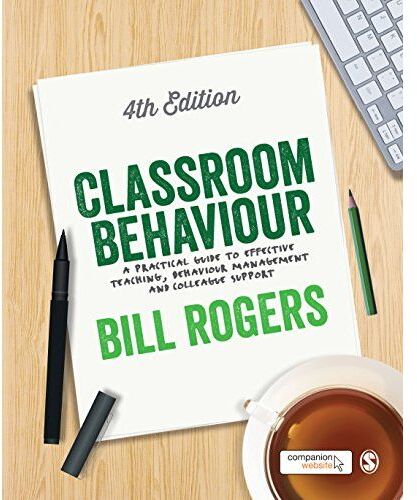
SAGE Publications Classroom Behaviour by Bill RogersThis exciting new edition of the best-selling and beloved teacher's companion looks at the everyday behaviour issues facing teachers working in today's classrooms. Describing real situations and dilemmas, Bill Rogers provides theoretically sound strategies and best practices to support you in meeting the challenges of the job, as well as building up a rapport with both students and colleagues to enable positive and productive learning environments. Written jargon-free in Bill's accessible and empathetic voice it includes in-depth strategies, practical examples, case studies and pragmatic hints and tips to put in to practice. This will make for informative and inspiring reading to all those involved in educating our children and young people. The new edition has been revised and updated and now also includes access to an interactive website packed with a host of extra material to take you further. Videos of Bill demonstrating his behaviour strategies in real classroom settings Podcasts where Bill explains his ideas and ethos in more detail as well as answering teachers' FAQs Extra reading material for even more support on difficult subjects Behaviour Management Tool Templates to use with students in the everyday classroom Role-play scenario cards to help understand and prepare for challenging situations "We often think of behaviour management in terms of dealing with challenging behaviour, but Dr Rogers begins by looking at classroom organisation and whole-class strategies. Alongside the theory, he provides examples that create a much deeper understanding of exactly what works and what doesn’t." - Special magazine24,99 £*Shipping: 2,99 £Secure redirect to the provider
-
Faber This Book Will Change Your Mind About Mental Health – Nathan Filer Understanding Mental Illness, Stigma & Modern WellbeingInsightful, compassionate, and refreshingly honest, This Book Will Change Your Mind About Mental Health by Nathan Filer challenges the myths, fears, and misunderstandings that surround mental illness. Blending real-life stories, scientific research, and lived experience, Nathan Filer offers a clear and humane exploration of mental health conditions such as depression, anxiety, schizophrenia, and bipolar disorder. The book explains how mental illness is treated today, why stigma still exists, and how our attitudes can shape recovery and wellbeing. Written in an accessible, engaging style, this book is ideal for general readers, students, carers, and anyone wanting a better understanding of mental health. It encourages empathy, openness, and informed conversation—making complex topics easy to understand without oversimplifying them. Why Readers Recommend This Book: Written by bestselling author Nathan Filer Challenges common myths about mental illness Combines science, storytelling, and lived experience Promotes empathy, understanding, and awareness Ideal for readers new to mental health topics A powerful and enlightening read, This Book Will Change Your Mind About Mental Health is essential for anyone seeking a clearer, kinder understanding of mental wellbeing in today’s world.3,49 £*Shipping: 1,99 £Secure redirect to the provider
-
Iota Publishing Limited The Alkaline Detox Reset Cleanse: Eat to Beat Illness & Prevent Disease by Iota - Non Fiction Paperback - Alkaline Diet Recipes & Health GuideThe Alkaline Detox Reset Cleanse is a practical guide to eating the alkaline way, designed to help readers rebalance their body chemistry, support digestion, and boost overall wellbeing. This book provides clear nutritional guidance and is packed with recipes and snack ideas to make healthy eating easy to follow at home. The alkaline diet is presented as a straightforward, food-first approach to looking after both body and mind. By favouring alkaline-forming foods and reducing acid-forming ones, readers can help keep disease at bay, support steady energy levels, and give the digestive and immune systems the best chance to function properly. This book is a great resource for anyone looking to make a gentle reset or a longer-term shift towards healthier eating habits.2,99 £*Shipping: 2,99 £Secure redirect to the provider
-
What is Rogers' Person-Centered Theory?
Rogers' Person-Centered Theory is a humanistic approach to psychology that emphasizes the importance of an individual's subjective experience and self-actualization. According to this theory, individuals have an innate drive towards personal growth and fulfillment, and therapy should focus on creating a supportive and non-judgmental environment to facilitate this process. Rogers believed that individuals have the capacity to find their own solutions to problems and that the therapist's role is to provide empathy, unconditional positive regard, and genuineness to help clients tap into their own inner resources for personal growth. **
-
What are the characteristics according to Carl Rogers?
Carl Rogers, a prominent figure in humanistic psychology, believed in the importance of unconditional positive regard, empathy, and genuineness in the therapeutic relationship. He emphasized the concept of self-actualization, the innate drive within individuals to reach their full potential. Rogers also stressed the significance of congruence, or the alignment between an individual's self-concept and their actual experiences. Overall, Rogers' approach focused on creating a supportive and nonjudgmental environment to facilitate personal growth and self-discovery. **
-
What is the person-centered theory by Rogers?
The person-centered theory, developed by Carl Rogers, is a humanistic approach to psychology that emphasizes the importance of the individual's subjective experience and self-actualization. Rogers believed that individuals have an innate drive towards personal growth and fulfillment, and that they have the capacity to understand and solve their own problems. The theory emphasizes the therapist's role in providing a supportive and nonjudgmental environment for clients to explore their feelings and experiences, and to work towards greater self-awareness and personal growth. This approach also emphasizes the importance of empathy, unconditional positive regard, and genuineness in the therapeutic relationship. **
-
How did the execution of Gold D. Rogers go?
The execution of Gold D. Rogers, also known as Gol D. Roger, was a significant event in the world of One Piece. It was a public execution carried out by the World Government, and it was meant to be a warning to other pirates. However, Rogers' final words sparked the Great Pirate Era, as he revealed the location of the legendary One Piece treasure, leading to a surge in piracy and the rise of new pirate crews. This event ultimately set the stage for the events of the One Piece series. **
Similar search terms for Rogers
-
How does Carl Rogers explain the development of psychological problems?
Carl Rogers explains the development of psychological problems as stemming from a lack of congruence between a person's self-concept and their actual experiences. He suggests that when individuals experience a discrepancy between their ideal self and their real self, they may develop psychological problems such as anxiety, depression, or low self-esteem. Rogers also emphasizes the role of conditional positive regard from others, where individuals only receive acceptance and approval when they meet certain conditions, leading to a lack of self-acceptance and psychological distress. Overall, Rogers believes that psychological problems arise from a lack of self-acceptance and congruence between one's self-concept and experiences. **
-
What is the self-concept in the psychology of Carl Rogers?
In the psychology of Carl Rogers, the self-concept is a central concept that refers to the individual's perception and understanding of themselves. It includes the beliefs, attitudes, and values that a person holds about themselves, as well as their understanding of their abilities, characteristics, and potential. Rogers believed that the self-concept is formed through interactions with others and is influenced by the feedback and experiences that individuals receive from their social environment. He also emphasized the importance of congruence between the self-concept and the actual experiences and feelings of the individual, as well as the role of unconditional positive regard in fostering a healthy and positive self-concept. **
-
What distinguishes the Workplace Ordinance from the Occupational Safety and Health Act?
The Workplace Ordinance primarily focuses on regulating the working conditions and environment within a workplace, including issues such as working hours, breaks, and holidays. On the other hand, the Occupational Safety and Health Act is more specific to ensuring the safety and health of workers while on the job, including regulations related to workplace hazards, training, and safety protocols. While both aim to protect workers, the Workplace Ordinance has a broader scope that encompasses various aspects of working conditions beyond just safety and health. **
-
What are the differences and similarities between the two concepts of Sigmund Freud and Carl Rogers?
Sigmund Freud and Carl Rogers were both influential psychologists, but they had different approaches to understanding human behavior. Freud's psychoanalytic theory focused on the unconscious mind, childhood experiences, and the role of instincts in shaping personality. In contrast, Rogers' humanistic theory emphasized the importance of self-actualization, personal growth, and the individual's subjective experience. One similarity between Freud and Rogers is their interest in understanding human behavior and personality development. Both psychologists believed that early experiences played a significant role in shaping an individual's personality. However, Freud's emphasis on the unconscious mind and the role of instincts differed from Rogers' focus on self-awareness, personal growth, and the importance of the individual's subjective experience in shaping behavior. Overall, while Freud and Rogers both made significant contributions to the field of psychology, their theories and approaches to understanding human behavior were distinct. Freud's psychoanalytic theory focused on unconscious processes and childhood experiences, while Rogers' humanistic theory emphasized self-actualization and **
* All prices are inclusive of VAT and, if applicable, plus shipping costs. The offer information is based on the details provided by the respective shop and is updated through automated processes. Real-time updates do not occur, so deviations can occur in individual cases. ** Note: Parts of this content were created by AI.