Buy berufskrankheit.eu ?
We are moving the project
berufskrankheit.eu .
Are you interested in purchasing the domain
berufskrankheit.eu ?
domain@kv-gmbh.de · 0541-91531010
Buy berufskrankheit.eu ?
What distinguishes the Workplace Ordinance from the Occupational Safety and Health Act?
The Workplace Ordinance primarily focuses on regulating the working conditions and environment within a workplace, including issues such as working hours, breaks, and holidays. On the other hand, the Occupational Safety and Health Act is more specific to ensuring the safety and health of workers while on the job, including regulations related to workplace hazards, training, and safety protocols. While both aim to protect workers, the Workplace Ordinance has a broader scope that encompasses various aspects of working conditions beyond just safety and health. **
Which countries are Balkan countries?
The Balkan countries are located in the southeastern region of Europe and include Albania, Bosnia and Herzegovina, Bulgaria, Croatia, Greece, Kosovo, Montenegro, North Macedonia, Romania, Serbia, and Slovenia. These countries are characterized by their diverse cultures, histories, and landscapes, and are often considered a bridge between the East and the West. The term "Balkan" is derived from the Balkan Mountains, which run through the region. **

Similar search terms for Countries
Top-Angebote
Products related to Countries:
-
Iota Publishing Limited The Alkaline Detox Reset Cleanse: Eat to Beat Illness & Prevent Disease by Iota - Non Fiction Paperback - Alkaline Diet Recipes & Health GuideThe Alkaline Detox Reset Cleanse is a practical guide to eating the alkaline way, designed to help readers rebalance their body chemistry, support digestion, and boost overall wellbeing. This book provides clear nutritional guidance and is packed with recipes and snack ideas to make healthy eating easy to follow at home. The alkaline diet is presented as a straightforward, food-first approach to looking after both body and mind. By favouring alkaline-forming foods and reducing acid-forming ones, readers can help keep disease at bay, support steady energy levels, and give the digestive and immune systems the best chance to function properly. This book is a great resource for anyone looking to make a gentle reset or a longer-term shift towards healthier eating habits.2,99 £*Shipping: 2,99 £Secure redirect to the provider




-
Why do women in conservative Islamic countries have fewer mental health problems than in Western countries?
Women in conservative Islamic countries may have fewer mental health problems than in Western countries due to the strong sense of community and family support that is often present in these societies. Additionally, the emphasis on religious practices and spirituality can provide a source of comfort and resilience for women facing challenges. The cultural norms and expectations around gender roles and family responsibilities may also provide a sense of purpose and structure, which can contribute to overall mental well-being. It's important to note that mental health issues can still exist in these societies, but the cultural and social factors may play a role in the differences observed. **
-
Which Balkan countries are Islamic countries?
The Balkan countries with a significant Muslim population are Albania, Bosnia and Herzegovina, and Kosovo. These countries have a long history of Islamic influence and have a majority Muslim population. Islam has played a significant role in shaping the culture, traditions, and architecture of these countries. While other Balkan countries also have Muslim communities, these three countries are considered Islamic countries due to their majority Muslim population. **
-
What are industrialized countries and developing countries?
Industrialized countries are those that have advanced infrastructure, technology, and high levels of income and standard of living. These countries have highly developed economies and industries, and typically have a high level of urbanization and access to modern amenities. Developing countries, on the other hand, are those that are still in the process of industrialization and have lower levels of income and standard of living. These countries often have less advanced infrastructure and technology, and may have a higher proportion of their population engaged in agriculture. Developing countries are working towards improving their economic and social conditions to reach the level of industrialized countries. **
-
European countries
European countries are nations located on the continent of Europe. There are 44 countries in Europe, each with its own unique culture, history, and language. Many European countries are members of the European Union, which promotes economic and political cooperation among its members. European countries are known for their rich cultural heritage, diverse landscapes, and high standard of living. **


'Neighboring countries'
Neighboring countries are countries that share a border with each other. These countries often have close geographical, cultural, and economic ties due to their proximity. Neighboring countries may have agreements in place to facilitate trade, travel, and cooperation on various issues. It is important for neighboring countries to maintain good relations in order to promote peace and stability in the region. **
Neighboring countries
Neighboring countries are countries that share a common border or are geographically close to each other. These countries often have cultural, economic, and political ties due to their proximity. Neighboring countries frequently engage in trade, travel, and diplomatic relations to foster cooperation and mutual understanding. However, disputes over borders, resources, or historical conflicts can also arise between neighboring countries. **
Top-Angebote
Products related to Countries:
-
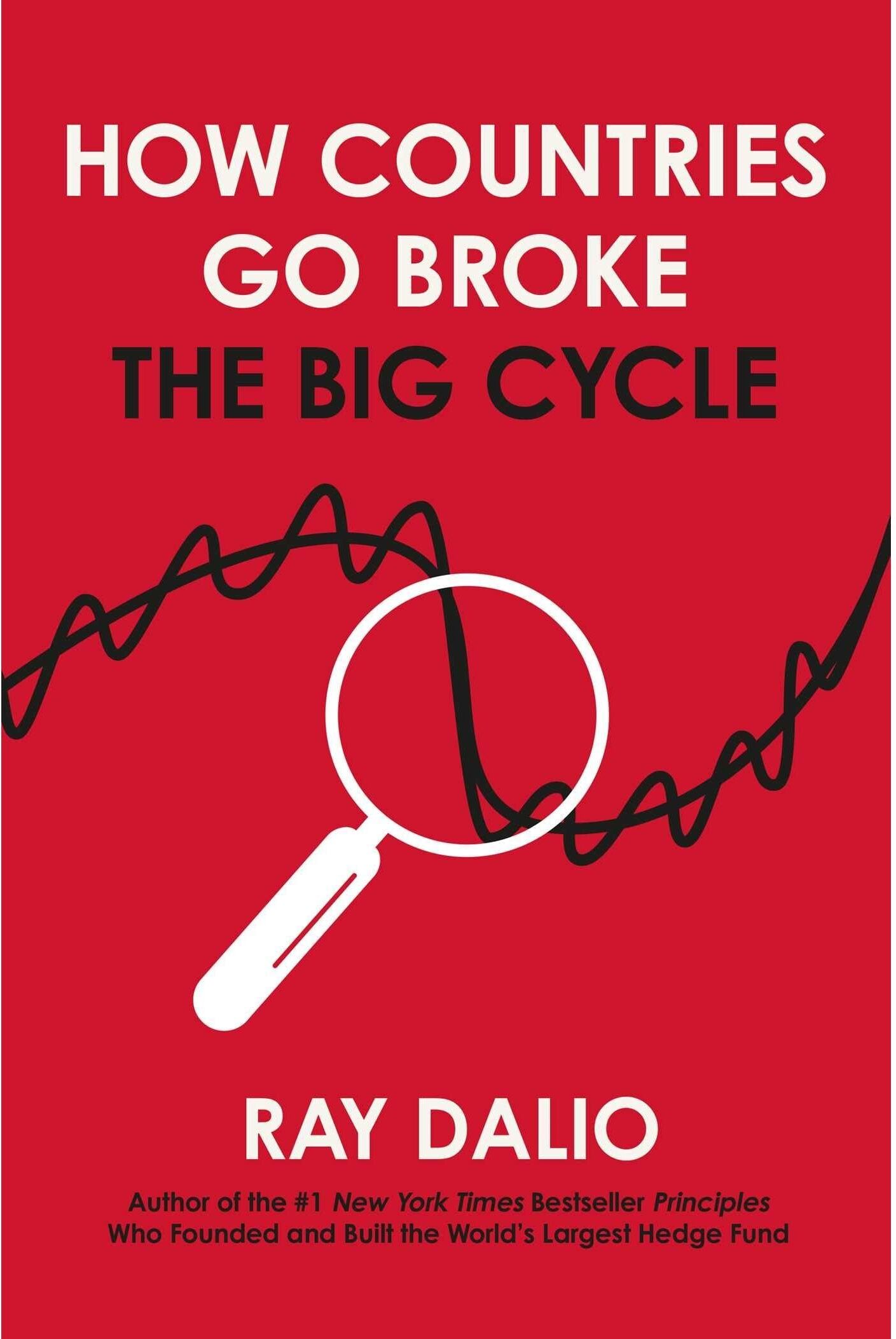
Simon and Schuster UK How Countries Go Broke: Principles for Navigating the Big Debt Cycle, Where We Are Headed, and What We Should DoAn urgent warning about the global economy from Ray Dalio, the #1 New York Times bestselling author of Principles. Do big government debts threaten our collective well-being? Are there limits to debt growth? Can a big, important reserve currency country like the United States really go broke – and what would that look like? For decades, politicians, policymakers and investors have debated these questions, but the answers have eluded them. In this groundbreaking book, Ray Dalio, one of the greatest investors of our time who anticipated the 2008 global financial crisis and the 2010–12 European debt crisis, shares for the first time his detailed explanation of what he calls the 'Big Debt Cycle'. Understanding this cycle is critical for helping policymakers, investors and the general public grasp where we are and where we are headed with the debt issue. Dalio's model points toward surprisingly straightforward solutions for dealing with the debt problems that the US, Europe, Japan and China face today. How Countries Go Broke also shows how these debt problems are related to the other forces – political within countries, geopolitical between countries, natural (droughts, floods and pandemics) and technological (most importantly, AI) – that together are causing what Dalio calls the 'Overall Big Cycle' changes in the world order. By reading this book, you will improve your understanding of what's happening now and what to do about it.17,99 £*Shipping: 2,99 £Secure redirect to the provider
-
Faber This Book Will Change Your Mind About Mental Health – Nathan Filer Understanding Mental Illness, Stigma & Modern WellbeingInsightful, compassionate, and refreshingly honest, This Book Will Change Your Mind About Mental Health by Nathan Filer challenges the myths, fears, and misunderstandings that surround mental illness. Blending real-life stories, scientific research, and lived experience, Nathan Filer offers a clear and humane exploration of mental health conditions such as depression, anxiety, schizophrenia, and bipolar disorder. The book explains how mental illness is treated today, why stigma still exists, and how our attitudes can shape recovery and wellbeing. Written in an accessible, engaging style, this book is ideal for general readers, students, carers, and anyone wanting a better understanding of mental health. It encourages empathy, openness, and informed conversation—making complex topics easy to understand without oversimplifying them. Why Readers Recommend This Book: Written by bestselling author Nathan Filer Challenges common myths about mental illness Combines science, storytelling, and lived experience Promotes empathy, understanding, and awareness Ideal for readers new to mental health topics A powerful and enlightening read, This Book Will Change Your Mind About Mental Health is essential for anyone seeking a clearer, kinder understanding of mental wellbeing in today’s world.3,49 £*Shipping: 1,99 £Secure redirect to the provider
-
Iota Publishing Limited The Alkaline Detox Reset Cleanse: Eat to Beat Illness & Prevent Disease by Iota - Non Fiction Paperback - Alkaline Diet Recipes & Health GuideThe Alkaline Detox Reset Cleanse is a practical guide to eating the alkaline way, designed to help readers rebalance their body chemistry, support digestion, and boost overall wellbeing. This book provides clear nutritional guidance and is packed with recipes and snack ideas to make healthy eating easy to follow at home. The alkaline diet is presented as a straightforward, food-first approach to looking after both body and mind. By favouring alkaline-forming foods and reducing acid-forming ones, readers can help keep disease at bay, support steady energy levels, and give the digestive and immune systems the best chance to function properly. This book is a great resource for anyone looking to make a gentle reset or a longer-term shift towards healthier eating habits.2,99 £*Shipping: 2,99 £Secure redirect to the provider
-
What distinguishes the Workplace Ordinance from the Occupational Safety and Health Act?
The Workplace Ordinance primarily focuses on regulating the working conditions and environment within a workplace, including issues such as working hours, breaks, and holidays. On the other hand, the Occupational Safety and Health Act is more specific to ensuring the safety and health of workers while on the job, including regulations related to workplace hazards, training, and safety protocols. While both aim to protect workers, the Workplace Ordinance has a broader scope that encompasses various aspects of working conditions beyond just safety and health. **
-
Which countries are Balkan countries?
The Balkan countries are located in the southeastern region of Europe and include Albania, Bosnia and Herzegovina, Bulgaria, Croatia, Greece, Kosovo, Montenegro, North Macedonia, Romania, Serbia, and Slovenia. These countries are characterized by their diverse cultures, histories, and landscapes, and are often considered a bridge between the East and the West. The term "Balkan" is derived from the Balkan Mountains, which run through the region. **
-
Why do women in conservative Islamic countries have fewer mental health problems than in Western countries?
Women in conservative Islamic countries may have fewer mental health problems than in Western countries due to the strong sense of community and family support that is often present in these societies. Additionally, the emphasis on religious practices and spirituality can provide a source of comfort and resilience for women facing challenges. The cultural norms and expectations around gender roles and family responsibilities may also provide a sense of purpose and structure, which can contribute to overall mental well-being. It's important to note that mental health issues can still exist in these societies, but the cultural and social factors may play a role in the differences observed. **
-
Which Balkan countries are Islamic countries?
The Balkan countries with a significant Muslim population are Albania, Bosnia and Herzegovina, and Kosovo. These countries have a long history of Islamic influence and have a majority Muslim population. Islam has played a significant role in shaping the culture, traditions, and architecture of these countries. While other Balkan countries also have Muslim communities, these three countries are considered Islamic countries due to their majority Muslim population. **
Similar search terms for Countries
-
What are industrialized countries and developing countries?
Industrialized countries are those that have advanced infrastructure, technology, and high levels of income and standard of living. These countries have highly developed economies and industries, and typically have a high level of urbanization and access to modern amenities. Developing countries, on the other hand, are those that are still in the process of industrialization and have lower levels of income and standard of living. These countries often have less advanced infrastructure and technology, and may have a higher proportion of their population engaged in agriculture. Developing countries are working towards improving their economic and social conditions to reach the level of industrialized countries. **
-
European countries
European countries are nations located on the continent of Europe. There are 44 countries in Europe, each with its own unique culture, history, and language. Many European countries are members of the European Union, which promotes economic and political cooperation among its members. European countries are known for their rich cultural heritage, diverse landscapes, and high standard of living. **
-
'Neighboring countries'
Neighboring countries are countries that share a border with each other. These countries often have close geographical, cultural, and economic ties due to their proximity. Neighboring countries may have agreements in place to facilitate trade, travel, and cooperation on various issues. It is important for neighboring countries to maintain good relations in order to promote peace and stability in the region. **
-
Neighboring countries
Neighboring countries are countries that share a common border or are geographically close to each other. These countries often have cultural, economic, and political ties due to their proximity. Neighboring countries frequently engage in trade, travel, and diplomatic relations to foster cooperation and mutual understanding. However, disputes over borders, resources, or historical conflicts can also arise between neighboring countries. **
* All prices are inclusive of VAT and, if applicable, plus shipping costs. The offer information is based on the details provided by the respective shop and is updated through automated processes. Real-time updates do not occur, so deviations can occur in individual cases. ** Note: Parts of this content were created by AI.